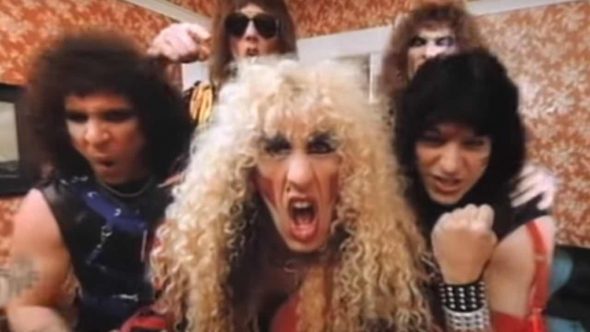
Episode 624: Justice! At The Disco
On the Overthinking It Podcast, we tackle protest songs through the history of post-Civil War America.
Listen Now · Download · 4 · Show Notes »
On the Overthinking It Podcast, we tackle protest songs through the history of post-Civil War America.
Listen Now · Download · 4 · Show Notes »
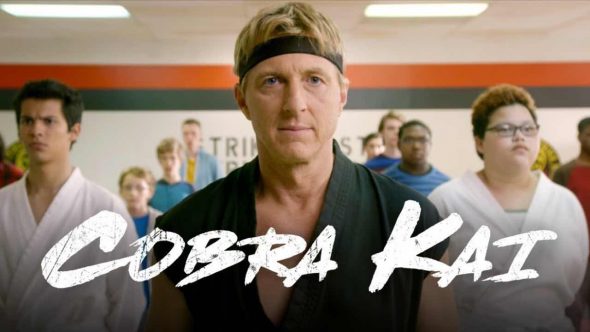
On the Overthinking It Podcast, we tackle Cobra Kai, a new entry in the Karate Kid Extended Universe, and wrap up the Eurovision Song Contest with a surprise victory.
Listen Now · Download · 3 · Show Notes »
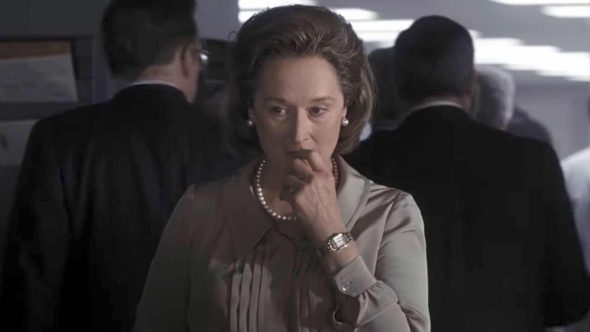
On the Overthinking It Podcast we tackle “The Post,” directed by Steven Spielberg and starring Meryl Streep and Tom Hanks.
Listen Now · Download · 2 · Show Notes »
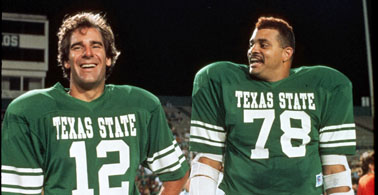
Okay, sorry for my time away sports fans. Let’s pick up where we left off. In the last two posts, I’ve discussed the inversion at the heart of sports movies — how the screen serves as a window and a … Continued
0 · Read More »

This week, I’ve delved into the True Meaning of Rambo in preparation for his (brief) return from irrelevance. Today, I’ll close the series out with a quick look at two great characters Mr. Stallone originated — one has his own … Continued
2 · Read More »

Above all else, America is dedicated to the proposition that “what happened to other countries isn’t going to happen to us.” As such, our variations on the tragic hero struggle to buck free of their core restrictions, often with startling … Continued
0 · Read More »
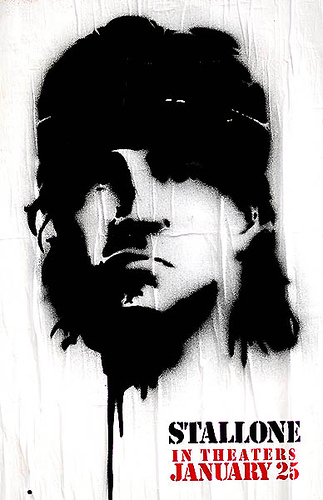
Our old buddy Rambo’s got the best poster for a new movie I’ve seen in a long time. It’s a pretty good work of graphic design (I love how Rambo’s mullet forms the drips of a hasty paint job), but … Continued
0 · Read More »