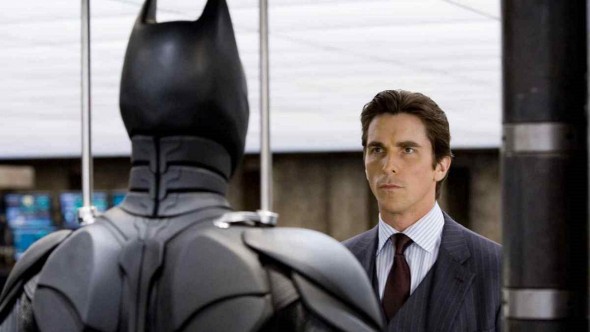
Bruce Wayne versus Batman
When Bruce Wayne realizes that dressing up in black and punching people in the face isn’t the best way to clean up Gotham, what comes next?
7 · Read More »
When Bruce Wayne realizes that dressing up in black and punching people in the face isn’t the best way to clean up Gotham, what comes next?
7 · Read More »
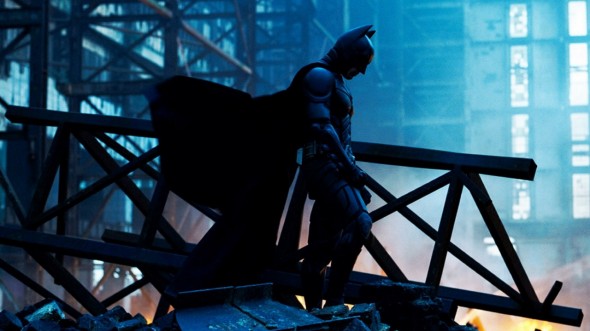
Was becoming Batman REALLY the best way to fix Gotham City? What’s the return on investment for “Being Batman?”

What’s more remarkable: “Boyhood” using the same actors for the same characters over 12 years, or us accepting all of those instances where different actors play the same character?
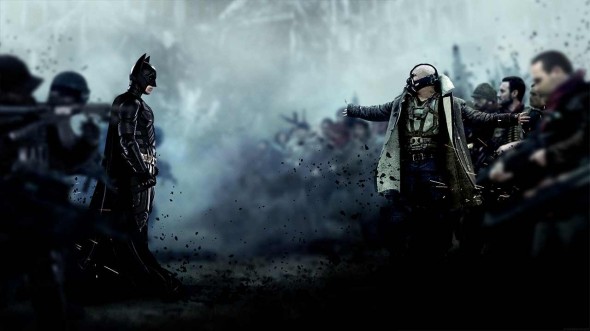
A Foucaultian analysis of the madness of the gritty, realistic superhero movie.

On The Wicked Witch, Darth Vader, and why their evil origin stories completely miss the roots of true evil.
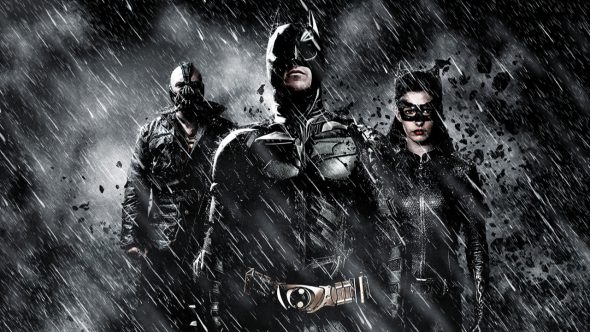
Overthinking It presents an alternative commentary on The Dark Knight Rises, the final film in Christopher Nolan’s Batman trilogy.
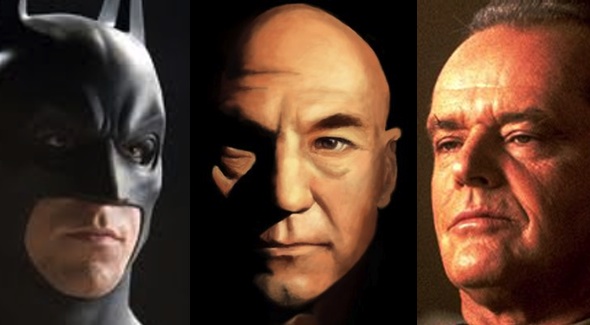
Rob Northrup makes the case that there Science Fiction endorses a grotesque form of elitism.

Have we maximized the exploitation of our finite supply of superhero movies, and are now entering a period of inexorable decline?
9 · Read More »

Holy end of an era, Batman! Christopher Nolan’s epic Batman trilogy is coming to a close with the release of The Dark Knight Rises this weekend. This is how we’re celebrating the event here on Overthinking It: Movie Night in Boston … Continued

Overthinking It presents its alternative commentary on Christopher Nolan’s “The Dark Knight.”