
Episode 818: How Often Do You Think about the Tokugawa Shogunate?
On the Overthinking It Podcast, we tackle the new adaptation of “Shogun,” streaming on Hulu.
Listen Now · Download · 0 · Show Notes »
On the Overthinking It Podcast, we tackle the new adaptation of “Shogun,” streaming on Hulu.
Listen Now · Download · 0 · Show Notes »

On the Overthinking It podcast, we tackle “Top Gun: Maverick”, the newest entry in the Danger Zone Cinematic Universe.
Listen Now · Download · 2 · Show Notes »

On the Overthinking It Podcast, we’re just trying to have a nice bike ride.
Listen Now · Download · 5 · Show Notes »

On the Overthinking It Podcast, we tackle “Homeward Bound: The Incredible Journey.”
Listen Now · Download · 1 · Show Notes »
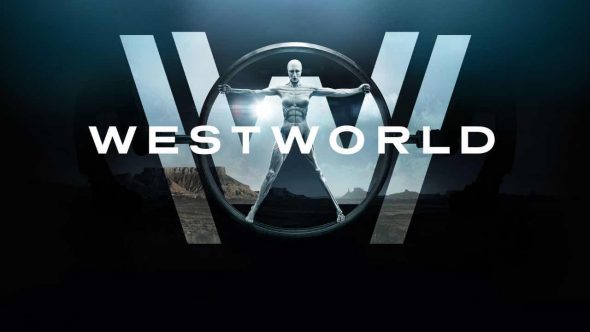
On the Overthinking It Podcast, we tackle HBO’s Westworld: Consciousness, morality, storytelling, and the coming robot apocalypse.
Listen Now · Download · 6 · Show Notes »

On the Overthinking It Podcast, we consider what Halloween means to adults.
Listen Now · Download · 7 · Show Notes »

On the TFT Podcast, we listen to and discuss The Weeknd’s “Beauty Behind the Madness” and talk with Luke Temple of Here We Go Magic.
Listen Now · Download · 2 · Show Notes »

The Overthinkers tackle, God help us, “Getaway” starring Ethan Hawke and Selena Gomez.
Listen Now · Download · 5 · Show Notes »

On the idea of asexual action heroes.
The Overthinkers tackle Taken 2.
Listen Now · Download · 9 · Show Notes »