
7 Serious Lessons from Will Ferrell Movies
Everything Must Go is a very serious Will Ferrell Movie. But then again, all Will Ferrell movies are very serious Will Ferrell movies.
4 · Read More »
Everything Must Go is a very serious Will Ferrell Movie. But then again, all Will Ferrell movies are very serious Will Ferrell movies.
4 · Read More »
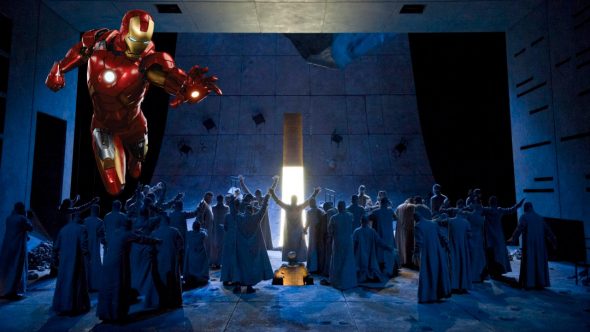
What do Iron Man 2 and Terry Gilliam’s The Fisher King have in common? No, not Jeff Bridges.

In other words, the man who is born into existence deals first with ZUUL; this is a given.
4 · Read More »
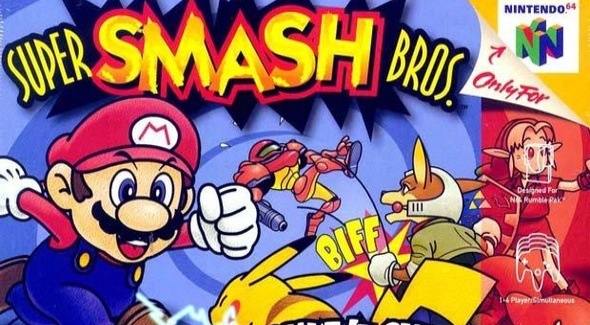
It is a fighting game that provides us with the boldest and strangest narrative in the history of video gaming. I’m talking, of course, about Super Smash Brothers for the N64.
4 · Read More »
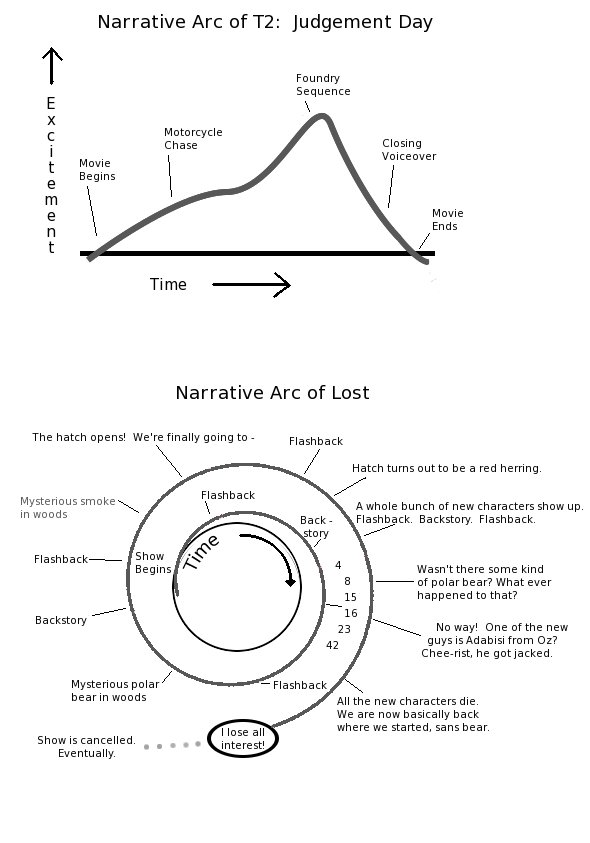
Never again will the real have the chance to produce itself — such is the vital function of the model in a system of death, or rather of anticipated resurrection, that no longer even gives the event of death a … Continued
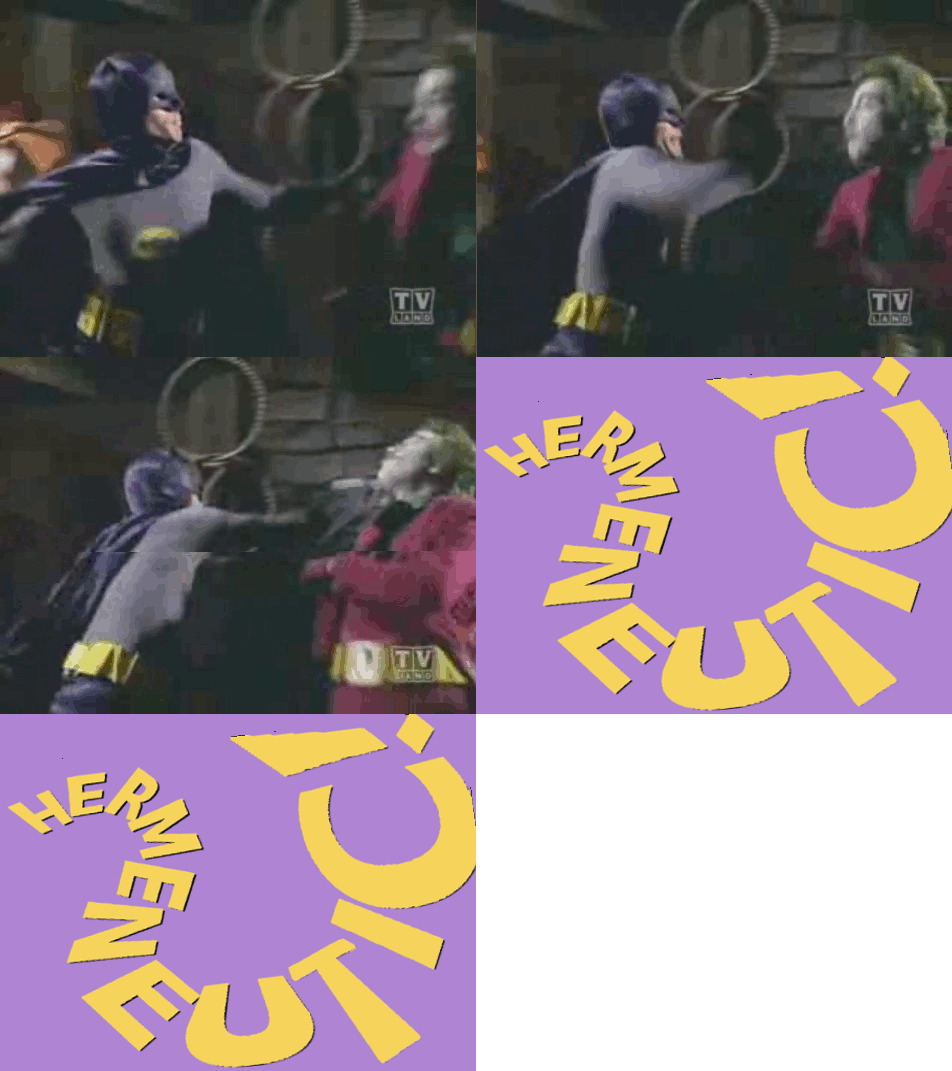
Or: Holy plaisire du texte, Barthes-Man! The plot of The Dark Knight, like that of Batman Begins, is honestly kind of shapeless and waffle-y. And yet, as Memento proves, Nolan is capable of writing narratives that are drum-taught and mongoose-agile. … Continued
There’s a new McDonalds ad that kind of weirds me out. Sadly I haven’t located the video online – post a link in the comments if you can find it. Anyway, this is the latest in their campaign based on … Continued
3 · Read More »