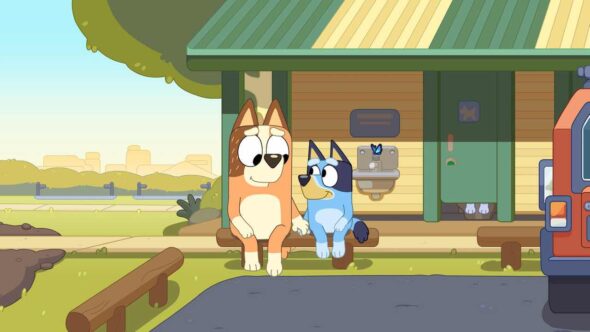
Episode 825: Are You For Sale?
On the Overthinking It Podcast, we tackle what may well be a farewell episode of “Bluey.”
Listen Now · Download · 0 · Show Notes »
On the Overthinking It Podcast, we tackle what may well be a farewell episode of “Bluey.”
Listen Now · Download · 0 · Show Notes »
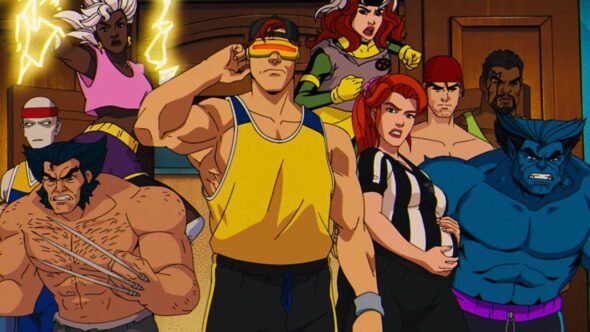
On the Overthinking It Podcast, we tackle three viewpoints on the phenomenon of how we share our experiences with others.
Listen Now · Download · 0 · Show Notes »

On the Overthinking It Podcast, we tackle the discourse around “Coyote vs. Acme” and appreciate the Coyote vs. Roadrunner cartoons.
Listen Now · Download · 1 · Show Notes »
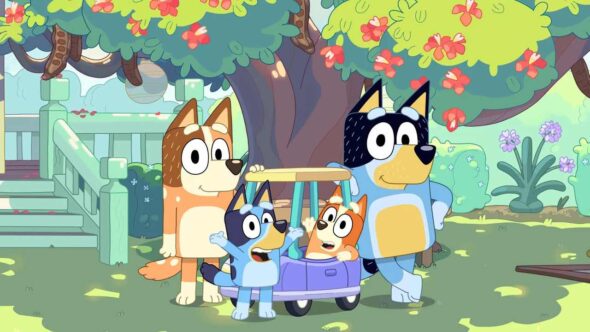
On the Overthinking It Podcast, we tackle “Bluey,” that wildly sophisticated adult cartoon masquerading as a kids show about talking dogs.
Listen Now · Download · 1 · Show Notes »

On the Overthinking It Podcast, we tackle “Spider-Man: Across the Spider-Verse,” now streaming.
Listen Now · Download · 0 · Show Notes »

On the Overthinking It Podcast, we tackle “Teenage Mutant Ninja Turtles: Mutant Mayhem.”
Listen Now · Download · 0 · Show Notes »
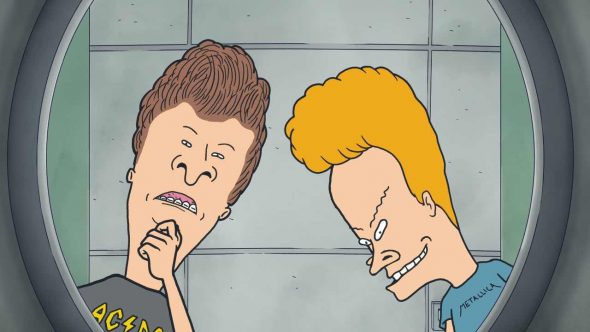
On the Overthinking It Podcast, we tackle the return of “Beavis and Butt-Head,” who return this month for a new season of TV.
Listen Now · Download · 0 · Show Notes »

On the Overthinking It Podcast, we wax nostalgic about the Disney Afternoon as we watch the new live action “Chip ‘n’ Dale Rescue Rangers” movie.
Listen Now · Download · 0 · Show Notes »
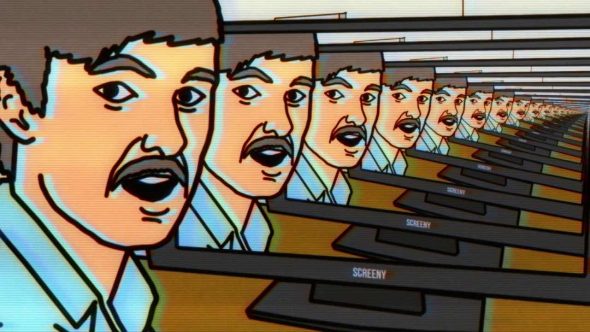
On the podcast, we tackle the rotoscoped animations of Joel Haver, and the dynamics of expectation and discovery in comedy.
Listen Now · Download · 0 · Show Notes »

On the Overthinking It Podcast, we tackle “Turning Red,” the new animated film from Pixar.
Listen Now · Download · 0 · Show Notes »